
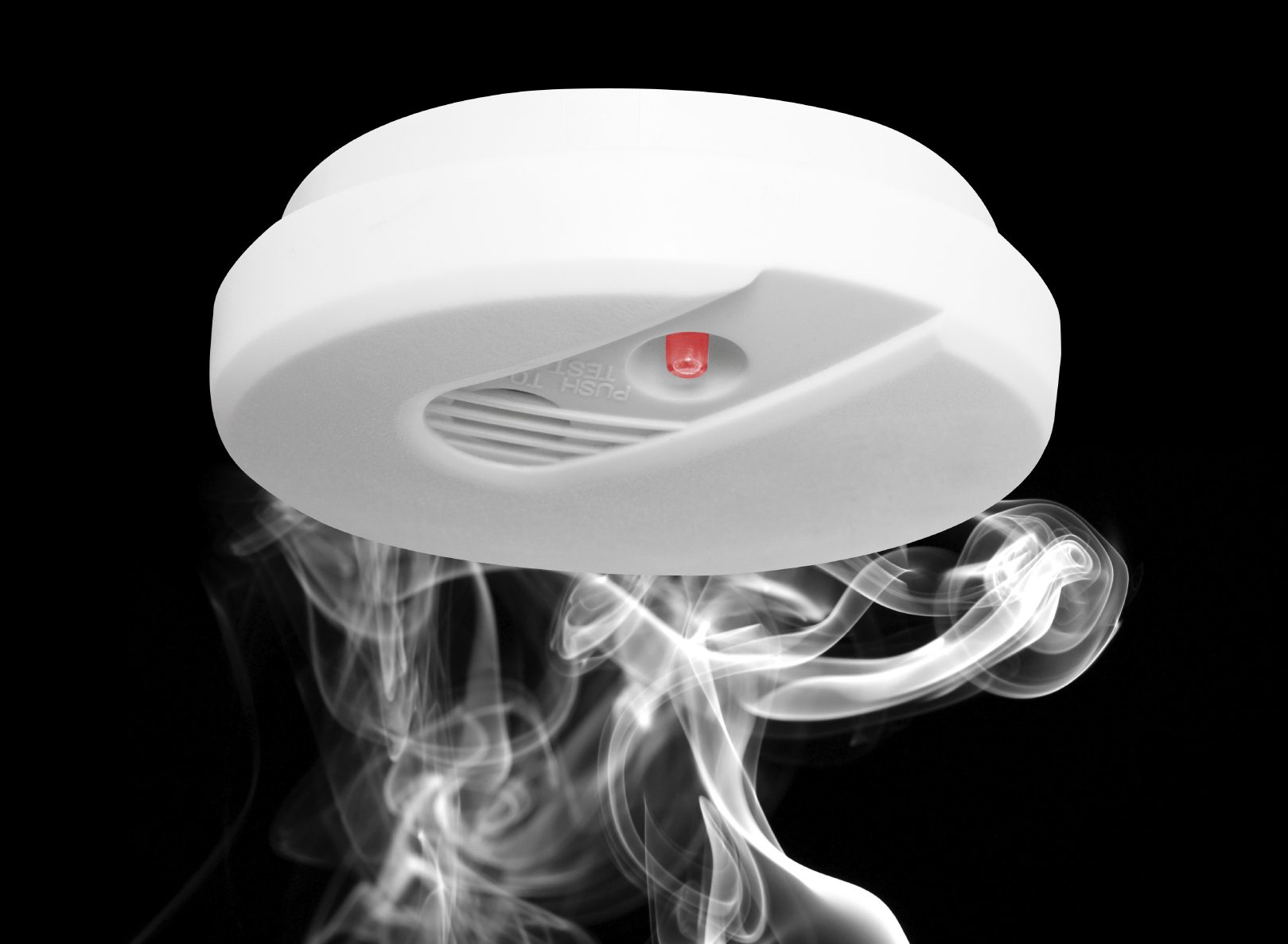
A smoke alarm installation guide is an important resource for homeowners and property managers looking to improve fire safety and ensure their smoke alarms are installed correctly. Smoke alarms are a necessity in every home and can save lives by providing early warning of a fire. Whether you have an older property or a newly built home, following a smoke alarm installation guide helps ensure your smoke alarms are correctly positioned, properly maintained and compliant with Australian Standards. This guide explains the essentials of smoke alarm installation, testing and ongoing maintenance to help protect your family and property.
Smoke Alarm Installation Guide
Once you understand the importance of smoke alarms, the next step is ensuring they are installed correctly. Following a smoke alarm installation guide helps ensure your smoke alarms are positioned in the right locations, tested correctly and maintained to provide reliable protection when you need it most. Proper installation not only improves the safety of your home but also helps ensure compliance with Australian Standards and state-based smoke alarm legislation.
The first step in any smoke alarm installation guide is determining the best locations for your smoke alarms. Australian Standards generally recommend installing smoke alarms on every level of your home, including hallways, bedrooms and outside sleeping areas. Interconnected smoke alarms are recommended because if one alarm detects smoke, all connected alarms will activate, providing occupants with an earlier warning and more time to evacuate safely.
Once you have identified the correct locations, prepare the installation area according to the manufacturer’s instructions. If you are installing hardwired smoke alarms, always isolate the electrical supply before beginning any work. Battery-operated smoke alarms should also be installed in accordance with the manufacturer’s recommendations to ensure they function correctly. A quality smoke alarm installation guide will always recommend carefully following the manufacturer’s installation instructions to maximise the effectiveness of your smoke alarm system.
Installation of Smoke Alarms
Smoke alarms are one of the most important fire safety devices you can install in your home. They provide an early warning of smoke or fire, helping protect your family and reducing the risk of serious injury, fatalities and property damage. If your smoke alarm is old, damaged or no longer functioning correctly, replacing it promptly can significantly improve your home’s fire safety.
Every smoke alarm installation guide recommends testing new smoke alarms immediately after installation to confirm they are operating correctly. Even if the alarms have been professionally installed or connected to your home’s electrical system, testing each unit ensures there are no faults before the alarms are relied upon during an emergency. If you are replacing an existing smoke alarm, ensure the new unit complies with current Australian Standards and your state’s smoke alarm legislation.
Smoke alarms should be installed on ceilings wherever possible, or high on walls where ceiling installation is not practical. Avoid installing smoke alarms near ceiling fans, air conditioning vents, windows or bathrooms where airflow or steam may interfere with the alarm’s ability to detect smoke. The correct positioning of smoke alarms is a key recommendation in every smoke alarm installation guide because proper placement significantly improves early fire detection.
Before purchasing smoke alarms, consider whether your property requires battery-operated, hardwired or interconnected smoke alarms. Modern photoelectric smoke alarms are generally recommended because they respond more effectively to slow, smouldering fires, which are common in residential properties. Selecting the correct type of smoke alarm helps improve fire safety while supporting compliance with Australian Standards.
Once installed, smoke alarms should be tested monthly using the test button to confirm they are functioning correctly. Batteries should be replaced whenever required, dust and debris should be removed regularly, and any alarm that fails testing should be replaced immediately. Most manufacturers also recommend replacing the entire smoke alarm after approximately 10 years, even if it appears to be working correctly.
Although some battery-operated smoke alarms can be installed by homeowners, hardwired smoke alarms should always be installed by a licensed electrician. Professional installation helps ensure your smoke alarm system complies with Australian Standards, meets all applicable legislative requirements and provides the highest level of protection for your household.
Following a comprehensive smoke alarm installation guide is about more than simply fitting a smoke alarm. Ongoing testing, maintenance and compliance are equally important to ensure your smoke alarm system continues to provide reliable protection year after year. Regular inspections and servicing help identify potential issues before they become safety risks, giving you confidence that your smoke alarms will perform correctly should an emergency occur.
If you need professional assistance with a smoke alarm installation guide, installation, testing, maintenance or compliance, FCF provides expert smoke alarm services throughout Adelaide. Our experienced technicians can assess your property, recommend the most suitable smoke alarm system and ensure your installation complies with Australian Standards, helping protect your family, employees and property when every second counts.